OpenAI let ChatGPT aid and abet mass shooters, Florida lawsuit claims

 Bloomberg
Florida has become the first US state to sue OpenAI over the design and safety of the company's artificial intelligence (AI) chatbot, ChatGPT.
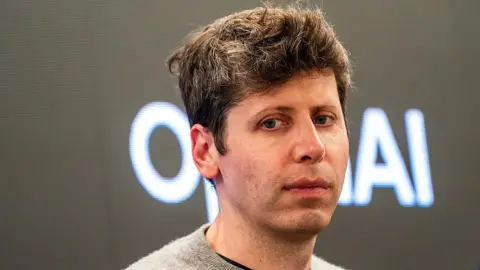
The sweeping lawsuit brought by Attorney General James Uthmeier alleges OpenAI and its boss Sam Altman are endangering and addicting children, aiding and abetting mass shooters, and coaxing users into suicide as the company pursues profit.
In a statement responding to the suit, OpenAI said it has "put in place industry leading protections and policies."
The legal action comes as Florida is pursuing a criminal investigation into whether ChatGPT played a part in the murder of two people during a mass shooting at Florida State University last year.
Florida's civil suit is also aiming to hold Altman personally liable for alleged "reckless and wilful conduct", including showing "utter disregard for the risk to human life caused by his firms' conduct", according to the complaint.
It made multiple allegations against OpenAI including deceptive and unfair trade practices, negligence, violating product liability laws, fraudulent misrepresentation and causing a public nuisance.
The complaint cites the Florida State mass shooting as well as the killing of two University of South Florida doctoral students in which the suspect allegedly asked ChatGPT questions about the disposal of human bodies, according to prosecutors.
"Sam Altman and ChatGPT have chosen the AI race over the safety and security of our kids. They have chosen profit over public safety, and we're not going to stand for it in here in Florida. So we will hold them accountable," Uthmeier said at a press conference on Monday.
OpenAI told the BBC in a statement: "Losing a child is the most devastating tragedy that can happen to a family and we know that no words can come close to addressing the pain of such a loss.
"AI is a new and powerful technology, and we believe minors need significant protection, which is why we have put in place industry leading protections and policies."
The company said it builds safety for minors directly into its products, pointing to its age detection tool and other ways parents can monitor how their children are using AI.
"We know pointing to this work will not bring a child back, but we're committed to getting this right," an OpenAI spokesperson said.
The lawsuit comes comes as OpenAI faces a slew of lawsuits attacking the company over its safety practices, including several which claim that ChatGPT has acted as a suicide coach and spurred harmful delusions.
Families of some victims of the Tumbler Ridge mass shooting earlier this year in Canada have also sued OpenAI, which banned the suspect's ChatGPT account because of problematic usage but did not alert authorities.
The company has apologised for not contacting the police, but said the suspect's account did not meet its threshold of a credible or imminent plan for serious physical harm to others.
Other major tech companies are also facing legal challenges.
Earlier this year, the father of a Florida man sued Google, saying its flagship AI product fuelled a delusional spiral that prompted his son to kill himself.
Meanwhile, social media companies including Instagram-parent Meta, Snap Inc, TikTok, and Google's YouTube are facing a barrage of lawsuits from states, school districts, and individuals alleging they design their products to be addictive.
In March, Meta and Google were found liable for harms caused by a 20-year old plaintiff who said they intentionally built their platforms to be addictive.
The victory marked a notable shift in the legal landscape. Tech companies have long argued they are not responsible for user-generated content, but product liability cases involving design choices appear to be gaining traction.
Uthmeier and Florida Governor Ron DeSantis, both Republicans, have frustrated AI companies which have enjoyed significant support from US President Donald Trump.
Florida has pushed back against the Trump administration's efforts to stymie AI regulation by US states, and recently proposed an "Artificial Intelligence Bill of Rights" for citizens aimed at bolstering data privacy and shielding residents from negative financial impacts of data centres.

Sign up for our Tech Decoded newsletter to follow the world's top tech stories and trends. Outside the UK? Sign up here.
