The evolution of the Met Gala
Dubbed “fashion’s biggest night,” the Met Gala is one of the world’s most famous events. For over 70 years, hundreds of designers and celebrities have turned out and wowed the public, wearing everything from timeless looks to elaborate masterpieces.
Every year, there is usually a theme and dress code to follow – but the event itself has changed so much through the decades. But what is the Met Gala, and how has it evolved?
Here, BBC Bitesize takes a closer look at the Met Gala, from its early origins to how it became the famous fashion event we know today. You can also take our IYKYK quiz below to test your knowledge on past Met Gala themes and dress codes!
What is the Met Gala?
An annual celebration of fashion, the Met Gala, formally called the Costume Institute Benefit, is a fundraiser for The Metropolitan Museum of Art’s Costume Institute in Manhattan, New York. Every year, it marks the opening of its annual fashion exhibition, raising huge sums of money for the institute.
One of the most famous and prestigious fashion events in the world, for years the Met Gala has invited faces from the world of fashion, film, musicsports, business, politics among others attend. Taking place on the first Monday in May, an invitation is highly sought after.
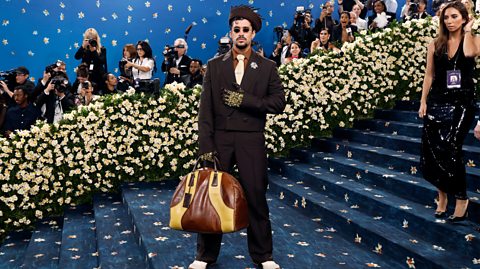
At the Met Gala, attendees express themselves through fashion to celebrate the Costume Institute at the Metropolitan Museum of Art’s spring exhibition. Taking inspiration from that year’s theme, so many elaborate outfits have been created by designers from around the world throughout the decades.
Since 1995, the Met Gala has been organised and presided over by Anna Wintour, now Global Editorial Director of Vogue Chief Content Officer for Condé Nast. But it has changed a lot since the very first event took place in 1948.
Why was the Met Gala created?
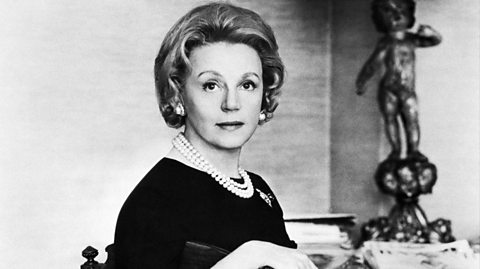
The Met Gala’s origins span back decades. It was in 1937 that the Costume Institute began as the Museum of Costume Art, founded by philanthropist Irene Lewisohn.
Following Lewisohn’s death in 1946, the Museum of Costume Art merged with the Metropolitan Museum of Art, then becoming known as the Costume Institute.
But, unlike other departments of the museum, the Costume Institute was self-funded. So in 1948, fashion publicist Eleanor Lambert created The Met Gala to raise funds for the newly established institute.
The first ever event took place in autumn as a midnight supper. It did not take place on the first Monday in May, and it was not hosted at the Met - said to have cost $50 to attend.
How has the Met Gala evolved?
The Met Gala has without a doubt evolved from its early origins in 1948 as a midnight supper. Today, it is known to many as “fashion’s biggest night”, seeing the world’s most famous designers and celebrities take to its red carpet every year.
Attendees must abide by a no phone policy, meaning what takes place inside the Met Gala is not well known to many. According to Vogue, the evening usually includes a high-profile performer; attendees explore the exhibition and then have dinner.
It’s only in more recent years that Met Gala attendees have worn more elaborate, thematic outfits. In 2021, following the pandemic, Vogue also livestreamed the red carpet for the first time, so the social media world follow the night more closely than ever before.
Every year, the theme of the exhibition provides a guide and often a dress code to follow. In recent years, themes have paid tribute to late designers such as Alexander McQueen and Karl Lagerfeld or taken inspiration from moments in history.
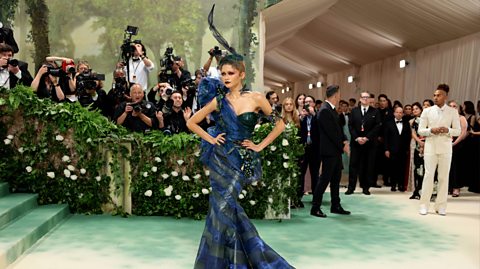
The Met Gala is also known for delivering viral looks, from Rihanna’s incredible Guo Pei couture cape to Zendaya’s Cinderella inspired look, Lady Gaga’s transformative Brandon Maxwell outfits and more. But the Met Gala has also not been without its criticisms.
Every year, the event sparks much discussion and even controversy for everything from its high-ticket prices and elite guest list to themes and what attendees opt to wear. For example, the Met Gala's 2018 divine theme saw many guests wearing high-fashion and dramatic looks inspired by Catholic imagery, from trains and long gowns to papal robes and angel wings.
But the theme was controversial as many accused the outfits of religious appropriation and blasphemy. In 2022, there was also a "Gilded Glamour and White Tie" dress code, celebrating the American Gilded Age (roughly 1870–1890).
One of the most memorable moments that year was Kim Kardashian wearing Marilyn Monroe’s iconic 1962 "Happy Birthday, Mr. President" dress. But it did spark controversy as many claimed the historic dress should be preserved and not worn for the event.
As the years have gone by, the Met Gala has continued to have fundraising at the centre of the event. Stars have also taken to the red carpet to make statements or share their beliefs through what they wear.
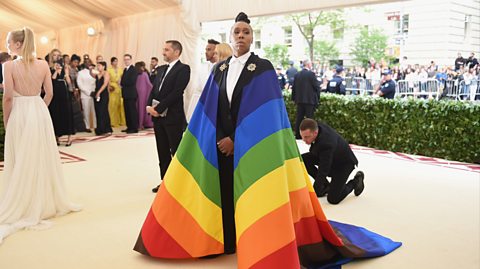
In recent years, fashion at the Met Gala has expressed everything from LGBTQ+ rights to tax, feminism and more. In 2018, Lena Waithe wore a Carolina Herrera cape in rainbow colours of the Pride flag, when the night’s theme was ‘Heavenly Bodies: Fashion and the Catholic Imagination.
The following year, Waithe wore the same designer with a cape saying, “Black Drag Queens Invented Camp” for the theme “camp.” In 2021, politician and activist Alexandria Ocasio-Cortez also wore a Brother Vellies gown with bold red letters saying “Tax the Rich” to make an economic statement.
What happens to the outfits after the Met Gala?
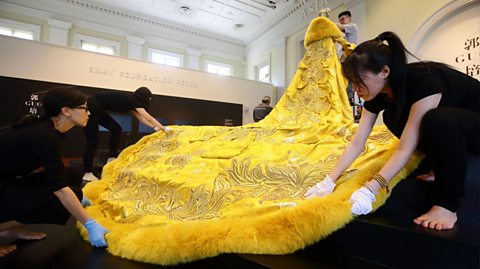
Every year, famous faces grace the red carpet wearing newly designed, bespoke outfits, as well as archived pieces and reimagined looks. After the Met Gala, so many outfits and accessories live on through images online, as well as on social media.
But what actually happens to all the fashions when the big event comes to an end? Well, there’s a few different answers.
For the ones that are archive looks, they likely return to their original homes. Whereas other looks are kept safe in storage, displayed at exhibitions or are even auctioned.
Through the years, several celebrities are said to have bought the outfits they wore to the Met Gala. Over time, some have criticised the event for not being as sustainable as it could be, with designers creating expensive, custom garments.
However, in more recent years, celebrities and designers have opted for archival fashions or used upcycled or ethically sourced materials for their looks.
When is the Met Gala 2026?
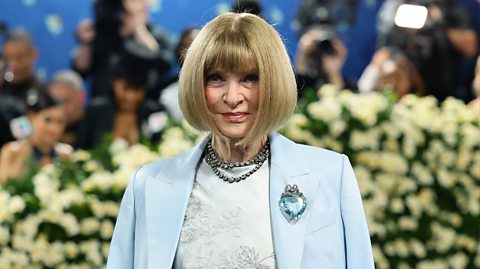
The Met Gala takes place on the first Monday of May annually. In 2026, the event will take place on 4 May.
Celebrating the Costume Institute at the Metropolitan Museum of Art’s spring exhibition, the evening of fashion provides the institute with its primary source of funding for activities. The 2026 co-chairs of the Met Gala are Beyoncé, Nicole Kidman, Venus Williams and Anna Wintour.
The event will be broadcast live across all of Vogue’s digital platforms. In the UK, the livestream starts at 11pm GMT (Greenwich Mean Time).
What is the Met Gala theme for 2026?
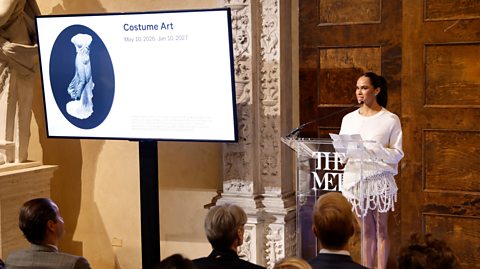
The theme of the spring 2026 exhibition at the Costume Institute is Costume Art. According to British Vogue, it will see “garments placed in dialogue with a range of artworks spanning 5,000 years of art history from the Met’s collection.”
The Met Gala dress code typically relates to the exhibition's theme. In 2026, the dress code is ‘Fashion is Art’ and there are bound to be many different interpretations.
The event usually hosts around 600 people and over the years has seen a number of looks from celebrities and designers go viral.
Can you guess the Met Gala theme from these iconic photos?
Is fashion art?
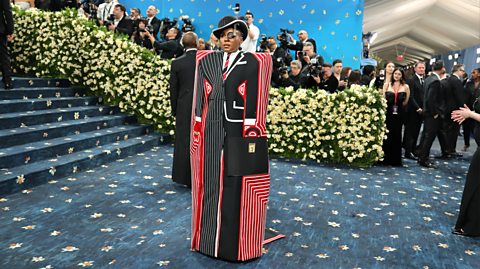
As mentioned, the dress code for the 2026 Met Gala is ‘Fashion is Art’ and no doubt the red carpet will be full of looks celebrating art in all its forms. But is fashion art?
Well – there has been much debate about that over time. Fashion is widely considered a form of art, as it involves significant design, craftsmanship, skill and technique. As a form of creative expression, fashion can often evoke emotions or convey messages, reflecting the era it was created in. Through this, fashion arguably acts as a form of historical documentation in time.
If you study Art and Design, you’ll know fashion is often part of the curriculum, especially when it comes to textile design. From fashion history and illustration to design processes, much of fashion is inspired by different forms of art too.
However, many argue that fashion and art are two different entities. Some claim they are different as fashion is more commercial and generally designed to be worn, whereas other pieces of art are to be admired and contemplated in a more traditional way.
The late fashion designer Karl Lagerfeld previously said, “Art is art. Fashion is fashion.” But pioneering artist Andy Warhol famously said, “fashion is more art than art is.”
What do you think?
This article was written in April 2026
