| | | | | ||||||||||||||||||||||||
| ||||||||||||||||||||||||||||
| ||||||||||||||||||||||||||||
| Words in the News | ||||||||||||||||||||||||||||
| ||||||||||||||||||||||||||||
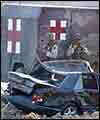
 Listen to the story Listen to the storyThe physical security of United Nations personnel may be uppermost in the minds of UN Secretary General Koffi Annan and other officials as they gather for crisis talks in New York over the next day or two. But the organisation is exposed politically as well. Supporters of the UN - such as the former UN Human Rights Commissioner Mary Robinson - say the attack should be a wake-up call to redouble efforts to get a wider UN mandate to steer Iraq back to sovereignty. But - quite aside from whether the US-led occupying powers would allow such a strong UN mandate to be developed - the attack is bound to discourage potential troop-contributing countries from taking part in any international force. The UN has always been at pains to say that its role in occupied Iraq is distinct from that of the US-led forces, and many ordinary Iraqis appreciated that the primary UN role was humanitarian. But the UN Security Council recently passed a resolution welcoming the establishment of the Iraqi Governing Council, a council appointed under United States supervision. That Security Council resolution was controversial for opponents of the US-led occupation. Its adoption was an example of the tightrope the UN has to walk between the reality of American power and the demand of some of its other member states for a bigger say in world affairs. Listen to the words Read more about this story Read more about this story |
| |||||||||||||||||||||||||||