| | | | | ||||||||||||||||||||||||
| ||||||||||||||||||||||||||||
| ||||||||||||||||||||||||||||
| Words in the News | ||||||||||||||||||||||||||||
| ||||||||||||||||||||||||||||
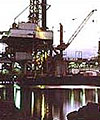
 Listen to the story Listen to the storyBoth Shell and Chevron, the two main oil companies operating in the area, have closed down some of their oil production facilities and estimate they are losing over one-hundred-and-fifty-thousand barrels per day as a result of the unrest. That's about eight percent of Nigeria's total output. Refugees from the crisis are arriving in the town of Warri with harrowing stories of the violence. One woman evacuated by Chevron told me that youths from the opposing Ijaw community had attacked her Itsekiri village and shot and killed her son. By way of an explanation of their actions, a militant Ijaw leader told me in Warri that the Itsekiri had far more political power than the size their population merited, and that protests both against the Itsekiri and the oil companies would continue until the government addressed this issue, which is extremely unlikely ahead of next month's elections. It's difficult to see how an effective poll can take place in this part of the southern delta under the present circumstances. Even if the unrest subsides, many hundreds, perhaps thousands of people have been displaced; and election officials will be extremely wary about operating in such an unstable region. Dan Isaacs, BBC News, in the Delta Region of Southern Nigeria Listen to the words Read more about this story Read more about this story |
| |||||||||||||||||||||||||||